- Passages and Perspectives
- Posts
- The Story That Shattered My Moral Compass

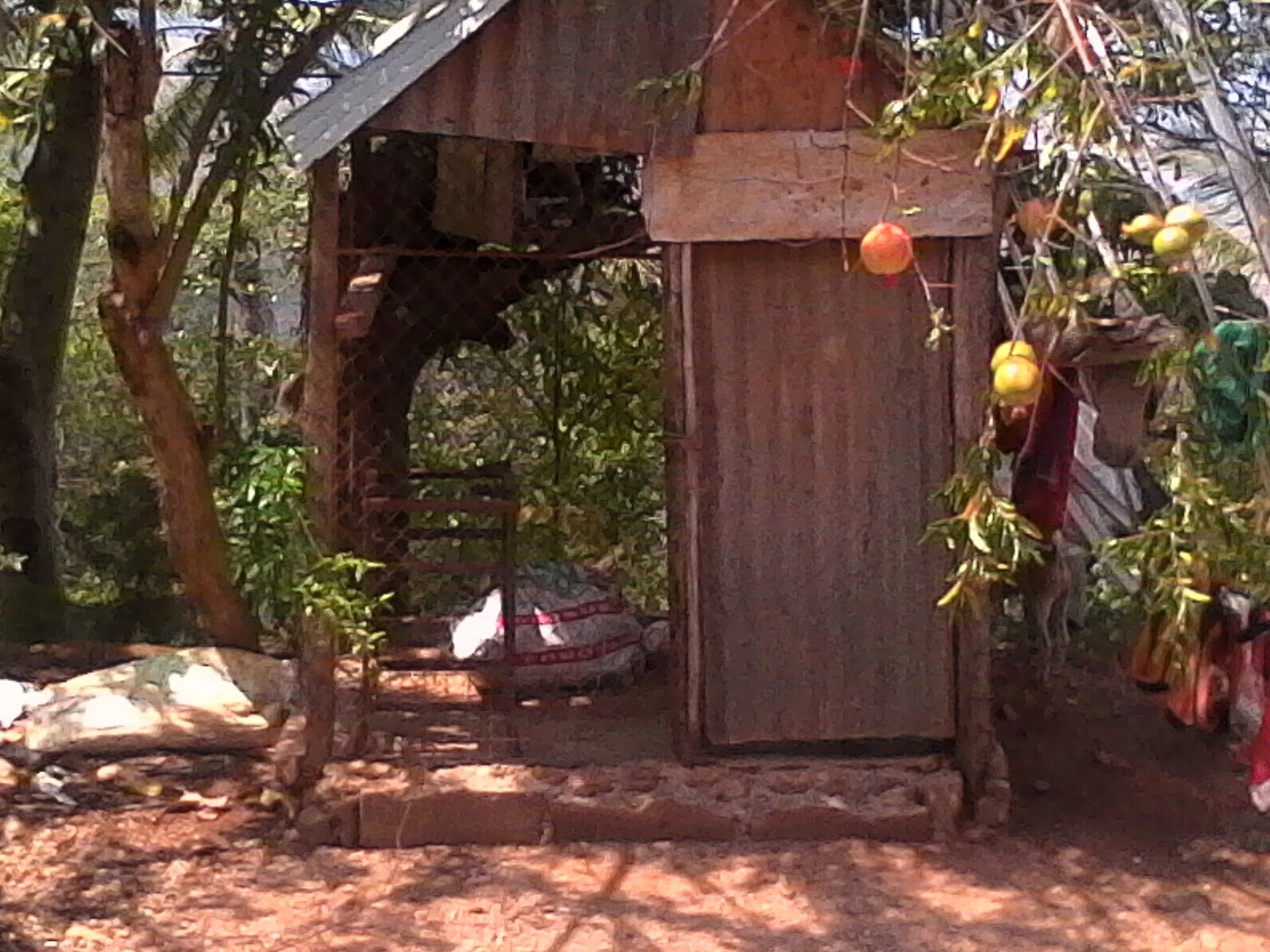
I never thought I'd share this publicly. This happened ten years ago, and it marked the beginning of a decade-long reckoning with my own beliefs and assumptions about morality, judgment, and the complexity of the human condition.
I came to Timor to learn their culture. I didn't expect to learn it this way—watching a dog arrive in a rice sack for my host brother's birthday dinner.
I was sitting on the patio overlooking the capital, Dili, and the ocean. I was with my host family and some neighbors. We were drinking coffee and Dellos, a local banana drink, and my host dad just sent off my host brother to get snacks from the kiosk down the hill, ba kraik, as they say. We always provided food and drink when someone visited.
As they were asking me how my training was going and how I was liking my time in Timor so far, I noticed a young boy bring up a large sack of rice in his hands that was tied at the top with a rope.
My host dad beamed as he got up to greet him. He instructed the boy to put the sack of rice in a small chicken coop near where we were sitting and communing.
My eyes were fixed on the bag as I swore I saw it move.
After the boy set it down, they closed the door and my host dad paid him and thanked him.
I assumed he bought chickens, but so far I hadn't seen anyone buy chickens in a bag like that yet.
When he sat back down, I asked him what was in the bag, terrified that I already knew the answer.
He had a huge smile on his face.
"Ne mak asu."
It's a dog, he said.
During training, they'd mentioned this. Many Timorese viewed dogs as food—a practice born from the Indonesian genocide that just ended 13 years prior, when families starved and had no choice. Not all families kept the tradition. Many protected their dogs fiercely, keeping them safe so they wouldn't be stolen and killed for meat.
I remember my host brother telling me he loved eating naan asu, or dog meat, the same way I would talk about how my favorite food is chicken mole. I thought he was joking. He wasn't.
The dog tied up in the bag was for my host brother's favorite meal on his birthday.
I immediately started panicking. I had to remind myself that I was in another country and culture. I tried surrendering to the fact that my role here was not to save the dog's life, and I needed a moment to sit in that. But why the fuck did they have to keep it tied up in a bag? It was already locked in a chicken coop!
So I asked my host dad why it needed to stay tied up.
"Tanba bele hatene katak la iha iha uma ona, entaun asu ne mak hatenu."
Because then it would know it's not at home anymore, and then it would bark, he said.
My stomach was twisting into knots.
I responded back (as best as I could a few weeks into learning the language) that the dog already knows it's not home.
My host dad started to get annoyed. My American-ness was showing. I came here to learn and assimilate, not learn and take over.
So I tried a new angle and argued for the quality of the meat. I tried explaining that animals panicking before they die does not make for great tasting meat. He didn't seem to care. Who knows what I even said.
I told him I had homework to do. I stood up and shook everyone's hands before going to visit another volunteer to tell her about what happened and to cool off.
I guess adopting a dog during my service was off the table. This was going to be a rough couple of years.
—
Reply